Are Automatic Litter Boxes Worth It? Honest Pros and Cons
As an Amazon Associate I earn from qualifying purchases. Learn more
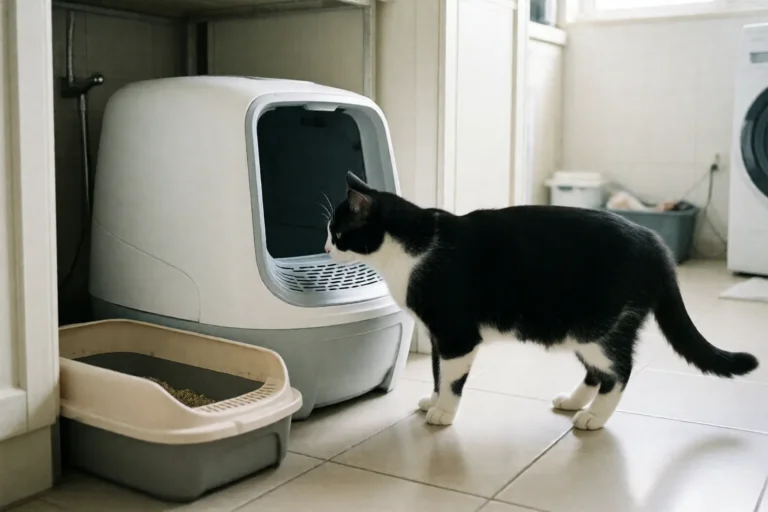
No more daily scooping. It sounds amazing, and for some households, automatic litter boxes really are a game changer. For others, they turn out to be an expensive box the cat refuses to use.
Here's an honest look at what they do well, where they fall short, and how to tell if one makes sense for you.
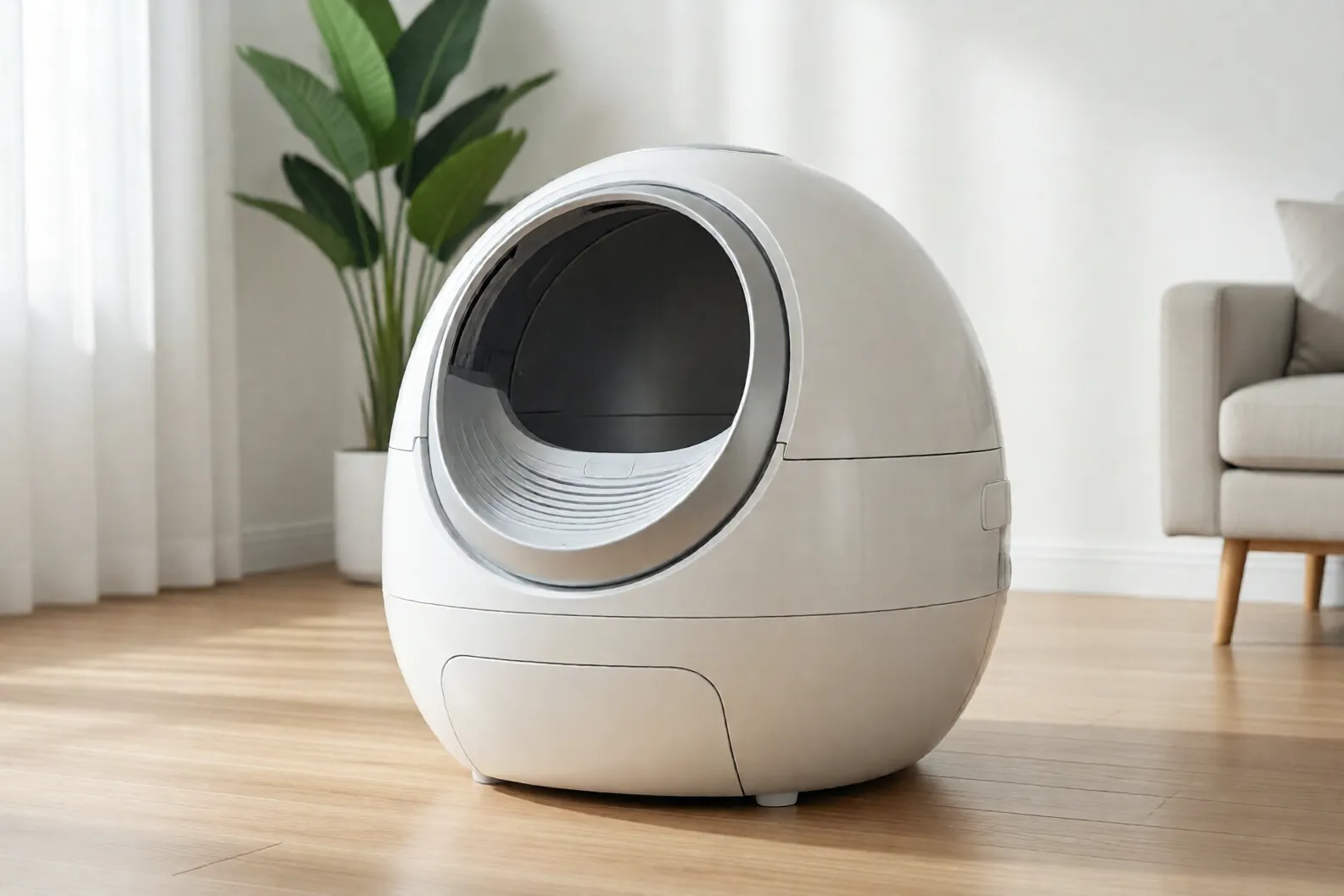
How automatic litter boxes work
There are a few different designs, but most work in a similar way:
- A sensor detects when your cat enters and leaves the box.
- After a short delay, the box cleans itself, usually by rotating, raking or sifting the litter.
- Waste is separated into a sealed drawer or compartment.
- You empty the waste drawer every few days and top up or change the litter now and then.
Most use clumping litter, and some require a specific type of litter or special trays, which matters for running costs.
The pros
Much less scooping
This is the big one. Instead of scooping daily, you mostly just empty a waste drawer every few days.
Cleaner box for your cat
Because waste is removed shortly after each visit, your cat walks into a cleaner box more often, which many cats appreciate.
Less smell
With waste sealed away quickly, many owners notice less odor, as long as the box itself is kept clean.
Great when you're busy or away for a day
If you work long hours or travel for a night or two, a self-cleaning box keeps things fresh in the meantime. (You still need someone checking on your cat, of course.)
Health tracking on some models
Some app-connected boxes log how often your cat visits and their weight. Changes in litter box habits can be an early sign of health issues, so this can be genuinely useful.
The cons
The price
Automatic litter boxes cost a lot more than regular ones, sometimes many times more. Some also need special litter, liners or replacement parts, which adds ongoing costs.
Not every cat accepts it
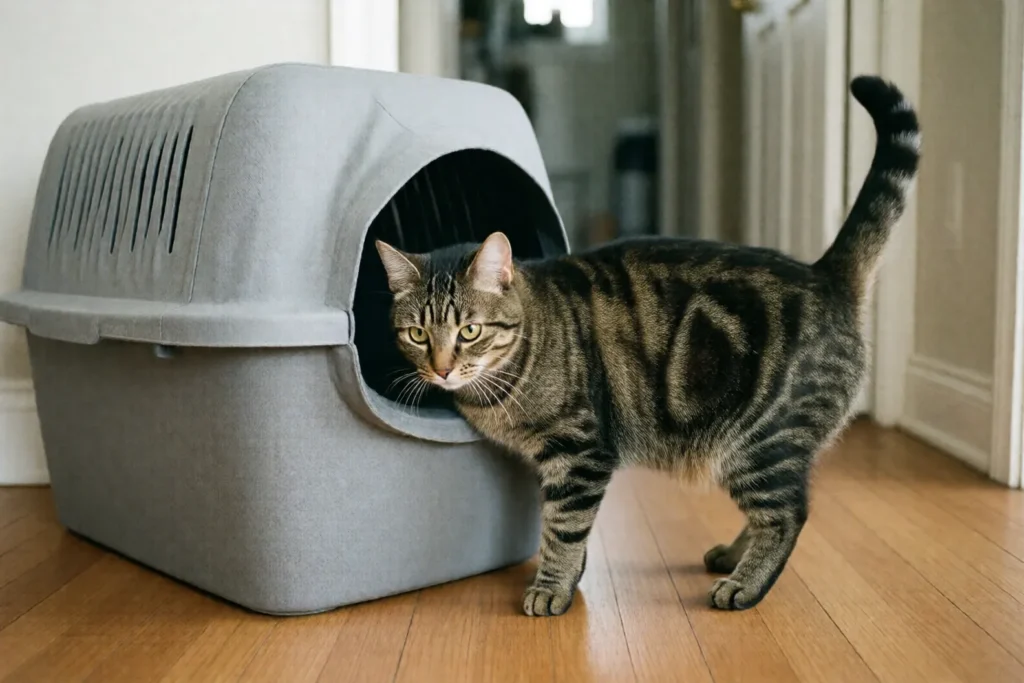
Some cats are scared of the noise or movement. Others simply don't like the shape or feel. Cats are creatures of habit, and there's always a chance yours says no.
Noise and moving parts
Even quiet models make some noise during cleaning. And anything with motors and sensors can break, jam, or need troubleshooting.
They still need cleaning
"Self-cleaning" doesn't mean zero maintenance. You'll still empty waste, top up litter, and do a full deep clean regularly.
Safety considerations
Reputable models have sensors that stop the cleaning cycle if a cat is inside, but not all products are equal. Most manufacturers also set a minimum cat weight, which usually rules out small kittens. Always follow the manufacturer's age and weight guidelines, and never use a model with safety problems or poor reviews about sensor reliability.
You can lose track of your cat's "output"
When you scoop daily, you naturally notice changes. With an automatic box, you might miss signs like diarrhea or unusually large or small clumps, unless the box tracks visits for you.
Who an automatic litter box suits
It might be a good fit if:
- You have a busy schedule and struggle to scoop daily
- You have mobility issues that make scooping hard
- Your cat is adult, confident and not easily startled
- You're comfortable with the upfront and ongoing costs
It might not be a good fit if:
- You have a kitten under the manufacturer's weight limit
- Your cat is very nervous or noise-sensitive
- Your cat has a medical condition where you need to closely monitor their litter box output (unless the box tracks it)
- You're on a tight budget
Don't forget the n+1 rule
Even with an automatic box, it's still a good idea to have more than one litter box available, especially in multi-cat homes. (Here's how many litter boxes you actually need.)
So, are they worth it?
For the right cat and the right owner, yes. They can save time and keep things fresher. But they're not magic, and they're not for every cat. If you're unsure, keep your regular box available while introducing the automatic one, and let your cat decide.
If you do get one, introducing it slowly makes a huge difference. Here's my step-by-step guide on how to get your cat to use an automatic litter box.
Curious about specific models? Have a look at our automatic litter box picks.