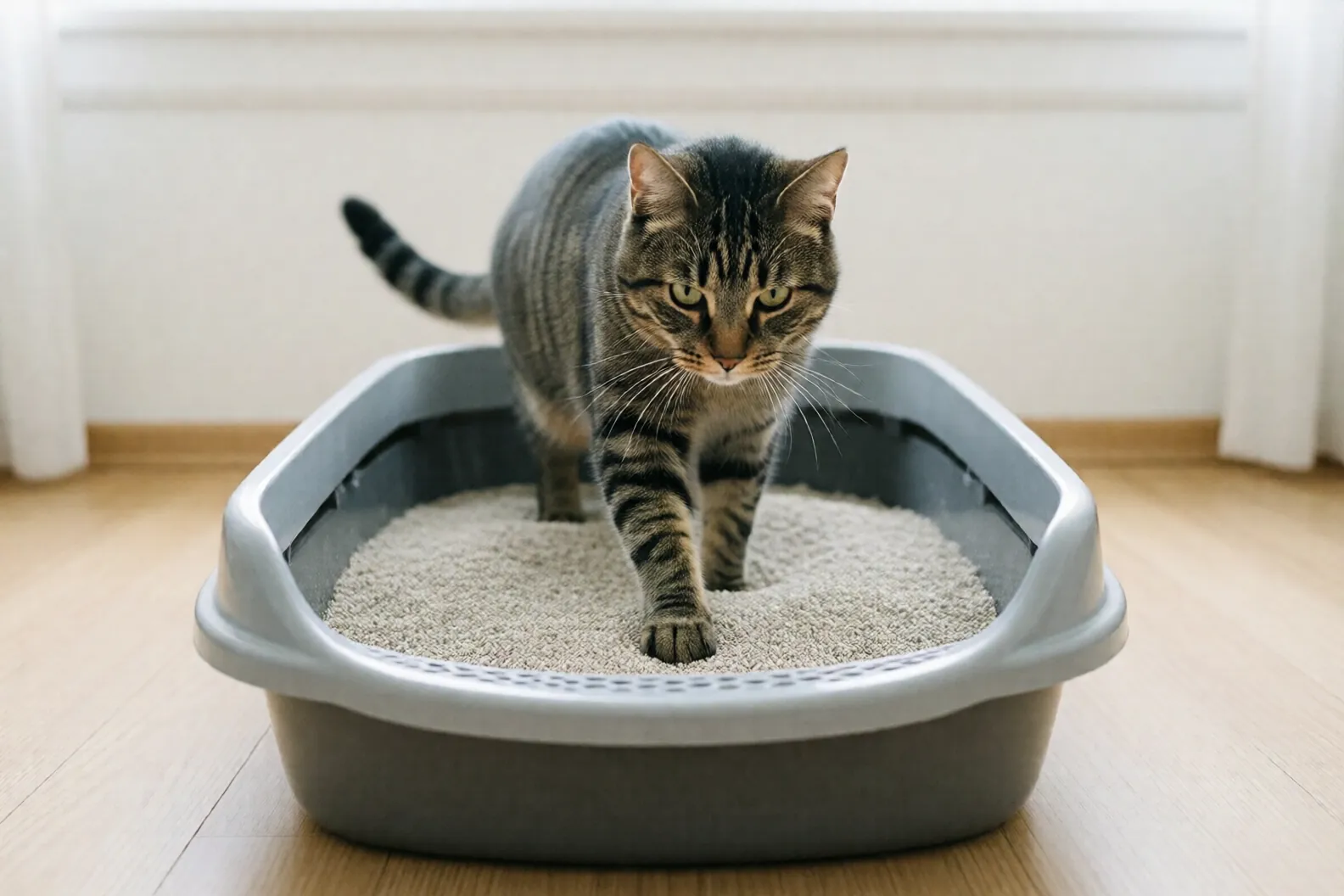
How Many Litter Boxes Do You Need? (And Where to Put Them)
As an Amazon Associate I earn from qualifying purchases. Learn more
If your cat has ever decided the bath mat is a better toilet than the litter box, you're not alone. A lot of "bad behavior" around the litter box comes down to two simple things: not enough boxes, or boxes in the wrong places.
The good news is that both are easy to fix. Here's what you need to know.
The simple rule: one per cat, plus one
The most common advice from vets and cat behaviorists is the n+1 rule: one litter box for every cat in the house, plus one extra.
- 1 cat = 2 litter boxes
- 2 cats = 3 litter boxes
- 3 cats = 4 litter boxes
I know, that sounds like a lot. With Era and Molly, that means three boxes in our home, and yes, I had the same reaction at first. But there are good reasons behind it.
Why one box usually isn't enough
Cats are picky about cleanliness. Many cats don't like using a box that's already been used, even once. A second box gives them a clean option between scoops.
Some cats like to pee in one box and poop in another. It sounds strange, but it's very common.
Multi-cat homes come with politics. Even cats who get along can guard resources. If one cat likes to hang out near the only litter box, the other might start looking for alternatives, and you won't like what they pick.
Backup matters. If a box gets missed during a busy day, there's still a clean one available.
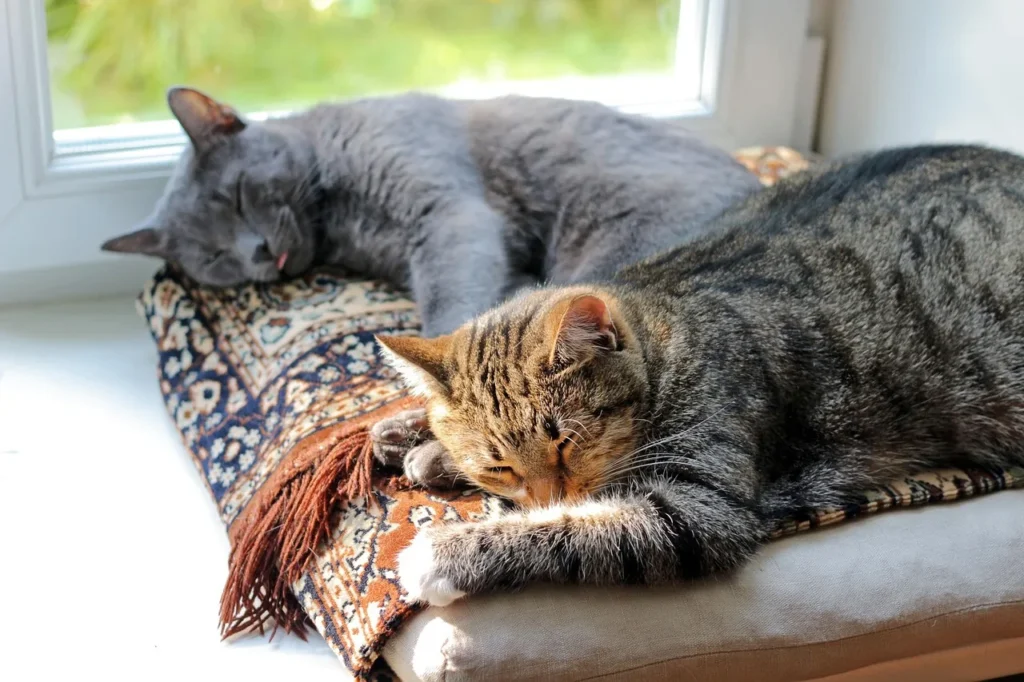
Where to put litter boxes
Placement matters just as much as the number of boxes. A perfectly clean box in a scary spot can still get ignored.
Good spots
- Quiet, low-traffic areas. A spare room, a quiet corner of a bedroom, or a calm bathroom.
- Easy-to-reach places. Especially for kittens and older cats who may struggle with stairs.
- Spread across the home. If you have more than one floor, put at least one box on each floor.
- Places with an escape route. Cats like to see what's coming and have a way out. A box tucked into a dead-end corner can make some cats feel trapped.
Spots to avoid
- Right next to food and water bowls. Cats don't want to eat where they go to the toilet. Can't blame them.
- Next to noisy appliances. A washing machine that suddenly starts spinning can scare a cat away from a box for good.
- Busy hallways and doorways. Constant foot traffic, kids, or a dog walking past isn't relaxing.
- All boxes in the same spot. Three boxes lined up side by side count as one big toilet to many cats. Spread them out.
What about covered boxes?
Covered litter boxes are popular because they hide the mess and keep litter from being kicked out. Some cats are fine with them. Others don't like them, because covered boxes can trap smells inside and block a cat's view of what's around them.
If you want to try a covered box, keep an open box available too, at least at first, and see which one your cat actually uses. Your cat's vote is the one that counts.
Signs your setup isn't working
Your cat will usually tell you when something's off. Watch for:
- Peeing or pooping just outside the box
- Going on soft surfaces like rugs, beds or laundry
- Perching on the edge of the box instead of stepping in
- Rushing out of the box right after going
- Avoiding one particular box completely
One important note: if your cat suddenly starts going outside the box, strains to pee, goes very often, or you see blood in the urine, see a vet first. Litter box problems are often the first sign of a urinary issue, and some of those are emergencies, especially in male cats.
Quick checklist
- One box per cat, plus one extra
- Boxes spread out, not lined up together
- Quiet spots with an easy way in and out
- Away from food, water and loud appliances
- At least one box on every floor
- Scooped at least once a day
Final thoughts
The n+1 rule can feel like overkill, but it's one of the simplest ways to prevent litter box problems before they start. If you're short on space, start with what you can manage and watch how your cat reacts. Once you find a setup they're happy with, you'll spend a lot less time cleaning up surprises.
Next up: once you've got the right number of boxes, keeping them clean is the other half of the job. Here's my guide on how to clean a litter box and keep it from smelling.
Looking for a new box? Browse our litter box picks.